
Call Anytime
512-508-8373- ClearedDirect > Blog > Facility Management Guides > The Business Guide to Facility Services: Management, Maintenance & More
Blog Details

The Business Guide to Facility Services: Management, Maintenance & More
Ever feel like your facility runs on autopilot—until something goes wrong? You’re not alone. In fact, most organizations don’t realize how much they rely on behind-the-scenes infrastructure until a system fails. A broken HVAC unit during a heatwave or a missed fire inspection during an audit can suddenly bring everything to a standstill.
Many teams fall into a reactive pattern—the “fix it when it breaks” model. It’s not that they’re neglecting the building; it’s often a matter of blurred lines. Where does facility management end and facility maintenance begin? And who’s actually responsible when a vendor misses a service window, or when a critical asset hits the end of its life with no replacement plan in place?
That gap—the space between strategy and execution—is exactly where downtime, compliance issues, miscommunication, and rising operational costs tend to live.
In this guide, we’re not here to throw jargon at you—we’re here to make sense of it all.
We’ll break down what facility management and maintenance really mean, how they overlap, and where they don’t. More importantly, we’ll explore how to get both working together—strategically, efficiently, and cost-effectively. We’ll cover different types of facility services, how to choose the right provider, and the trends transforming the industry in 2025 and beyond.
Whether you’re managing a single office, overseeing a multi-site portfolio, or planning to scale, this is your practical, no-fluff resource. If you’re responsible for keeping buildings functional, safe, and future-ready—you’re in the right place.
Facility Management vs Maintenance: What’s the Real Difference?
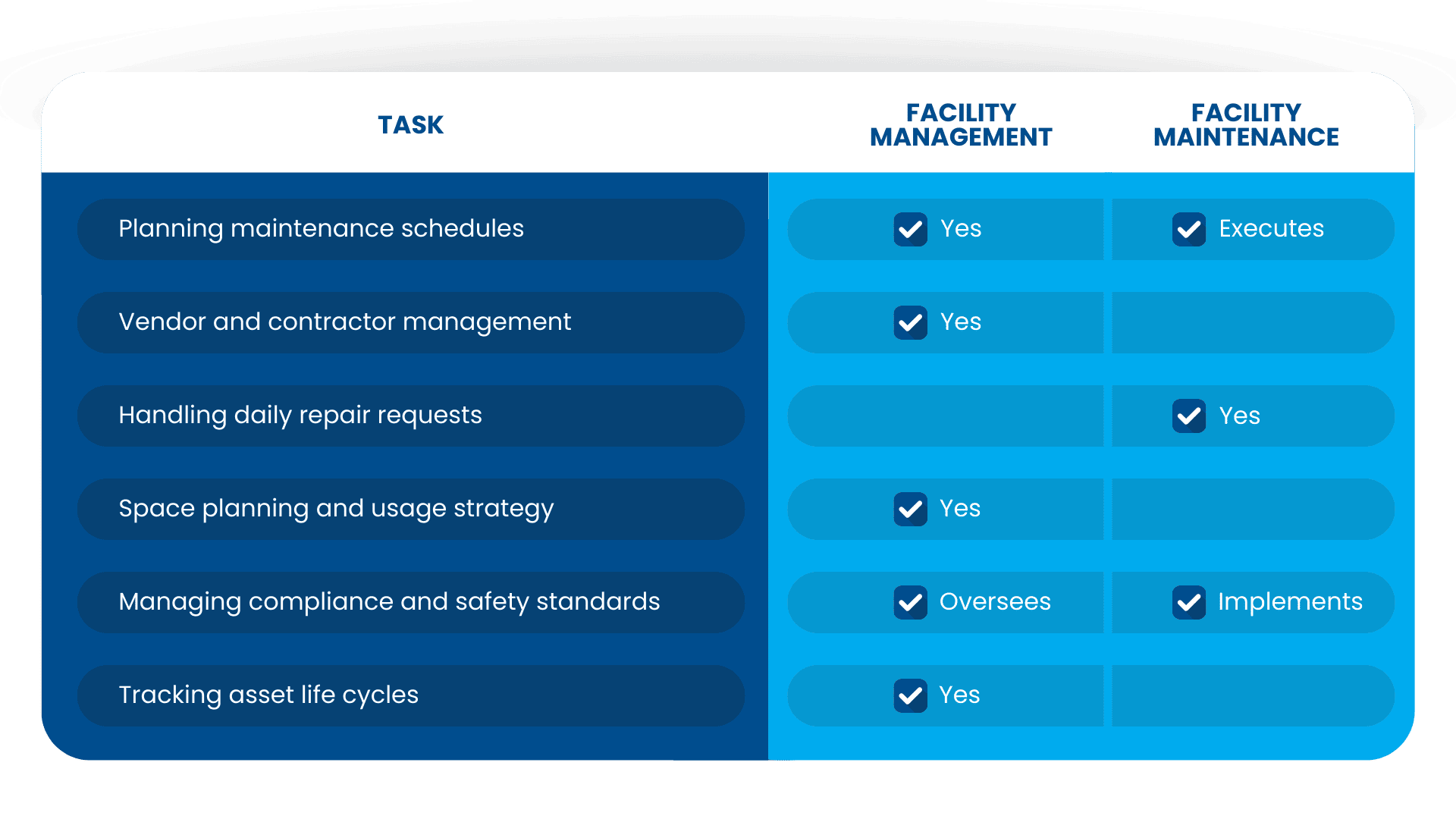
Let’s be honest—these two terms get thrown around a lot. Facility management. Facility maintenance.
Sounds pretty similar, right?
But if you’ve ever been in the middle of a leaking ceiling on a Monday morning, you know there’s a big difference between planning how a building should run and actually keeping it running.
So here’s the simplest way to think about it:
Facility management is the strategy.
It’s the person (or team) making sure your building isn’t just working—but working smart. They’re thinking about space use, long-term budgets, compliance, vendor contracts… basically all the stuff that prevents chaos six months from now.
Facility maintenance is the action.
These are the folks unclogging pipes, testing the fire alarms, fixing the flickering light in the hallway—today. They keep everything functional, safe, and clean so your people can do what they need to do.
Still a bit fuzzy? Try this analogy:
Facility management says, “Here’s how this place should run.” Maintenance is the one out there making sure it actually does.
Facility management says, “Here’s how this place should run.”
Maintenance is the one out there making sure it actually does.
Reactive vs Proactive Facility Maintenance: What’s the Smarter Choice?
Here’s a question that comes up more often than you’d think:
Should we wait until something breaks—or fix it before it does?
On paper, the answer sounds obvious. But in real life? When you’re juggling budgets, vendor delays, and ten “urgent” tickets? Reactive maintenance starts to feel like the only option.
But here’s the thing—it costs more than you realize.
Reactive maintenance is like playing whack-a-mole with your building. You’re constantly jumping from one issue to the next—patching a leak here, replacing a burned-out motor there, and hoping nothing else blows up in the meantime. It’s exhausting. It’s unpredictable. And yeah, it adds up.
Now flip that. Proactive maintenance is what happens when you slow the chaos down. You’re scheduling regular inspections, catching issues early, and giving your team (and your wallet) some breathing room.
Let’s be real—things will still go wrong. But when you’ve got a plan in place, the stakes are lower. The costs are smaller. And people aren’t constantly running around in panic mode.
Common Challenges in Facility Management—and How to Fix Them
Let’s be real—facility management isn’t just about keeping the lights on. It’s about juggling 20 different things at once and hoping nothing catches fire (sometimes literally).
And while every building is different, the pain points? They’re usually the same. Things break when they shouldn’t. Communication gets messy. And compliance? That’s the word no one wants to hear until it’s already a problem.
Here’s a breakdown of the big three challenges most teams face—and how to handle them before they spiral.
Downtime That Always Hits at the Worst Time
You know how it goes—equipment breaks when you need it most. The HVAC dies during a heatwave. The elevator stops working right before a client tour. And suddenly, you’re in crisis mode.
Quick fix:
- Build a routine check-in system. Doesn’t have to be fancy—just consistent.
- Focus on the stuff that actually matters: systems that affect safety, comfort, or operations.
- Let people know what’s getting worked on. Surprises make it worse.
Too Many People, Not Enough Clarity
One person’s calling about a leak. Another wants new office furniture. A vendor is late (again). And your boss just asked for a “quick update.”
Sound familiar?
Quick fix:
- Bring everything into one place—one dashboard, one spreadsheet, whatever works.
- Work with a facility management service that handles multiple needs in one shot.
- Set response time expectations with your vendors. If they can’t meet them, it might be time to move on.
Compliance Creeping Up on You
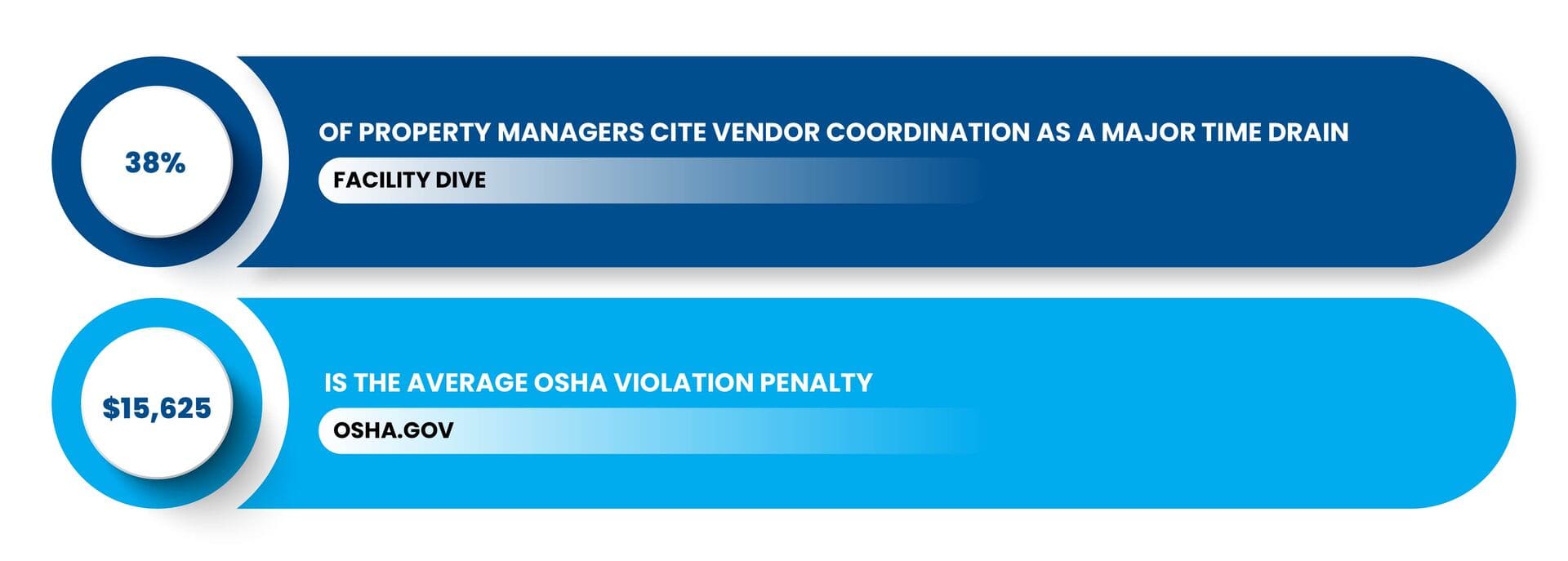
You don’t think about compliance—until you have to. Fire codes, safety standards, health inspections… miss one, and it can cost more than you want to admit.
Quick fix:
- Create a running checklist of what needs to be done monthly, quarterly, and annually.
- Assign one person to “own” each item—spreading it out helps it get done.
- Store your records somewhere easy to access. That last-minute scramble? Gone.
Types of Facility Services Every Business Needs
When most people think of facility services, they often picture tasks like cleaning or fixing air conditioning units. While those are part of the picture, the reality is much broader. Facility services include everything that supports the functionality, safety, and experience of a built environment. These services can be grouped into two key categories: hard services and soft services.
Hard Services: The Foundation of Facility Functionality
Hard services involve the structural and mechanical systems that must function reliably for a facility to remain safe and operational. These are often governed by regulatory requirements, and failure to maintain them can lead to significant downtime or legal issues.
Examples of Hard Services and Their Real-World Applications:
- HVAC Systems:
A retail chain like Target relies on advanced HVAC systems not only for comfort but to maintain product integrity in certain departments. For instance, the 2023 Sustainability and Governance Report mentions that rooftop solar systems have been added to more than 500 stores, generating enough energy to offset up to 40% of a property’s energy needs. - Electrical and Lighting Systems:
Hospitals, such as those in the Mayo Clinic Health System, require highly redundant and regularly maintained electrical systems. In healthcare, NFPA 99 compliance demands constant oversight of critical power systems to protect patient care continuity. - Fire Safety Systems:
Commercial buildings in New York City must follow FDNY rules that mandate routine inspections of fire alarms, sprinklers, and standpipes. In 2022, the city issued over 5,000 violations related to unmaintained fire safety systems (NYC Open Data). - Elevator and Lift Maintenance:
In office towers like One World Trade Center, elevator systems serve tens of thousands daily. To prevent downtime, facilities invest in predictive diagnostics software to flag issues before they become failures—a best practice supported by ASME guidelines. - Plumbing Systems:
In airports like LAX, plumbing maintenance plays a critical role in high-traffic restrooms and restaurants. Leaks or backups in these systems not only disrupt operations but pose health risks.
These examples highlight that hard services are not optional—they’re mission-critical.
Soft Services: Enhancing Day-to-Day Experience and Efficiency
Soft services directly affect the daily comfort, safety, and usability of a space. They are essential for delivering a consistent user experience and are often the most visible to staff and visitors.
Examples of Soft Services and Their Real-World Applications:
- Cleaning and Janitorial: Since the COVID-19 pandemic, Google has upgraded its janitorial standards globally. Offices are now cleaned using CDC-approved disinfectants only, and cleaning intervals have also increased to reduce transmission risks—aligning with OSHA and EPA guidance on healthy building environments.
- Landscaping and Groundskeeping: Corporate campuses such as Salesforce Tower in San Francisco use landscaping not only for aesthetics but to support stormwater retention, heat island mitigation, and wellness. Their facility operations are aligned with LEED Platinum requirements, which include landscape design as part of sustainable site criteria.
- Waste Management: In industrial parks like those operated by Prologis, waste segregation and recycling programs are mandatory. Many facilities partner with third-party sustainability auditors to track landfill diversion rates—Prologis has reported over 61% diversion globally, per their sustainability impact report.
- Pest Control: Food processing plants such as those certified by NSF International are required to maintain strict pest control schedules to prevent infestation and contamination. A single lapse can trigger failed inspections and significant financial penalties.
- Mailroom and Reception Services: At law firms like Skadden Arps, mailroom services are essential to secure and time-sensitive document flow. These services are often managed through dedicated facility service vendors who ensure chain-of-custody compliance for sensitive legal communications.
Each of these examples demonstrates how soft services impact more than just cleanliness—they directly support brand image, operational efficiency, and regulatory alignment.
As organizations scale, managing all of these services individually becomes increasingly complex. That’s where the concept of integrated facility services comes in.
Rather than juggling multiple vendors or service providers, many businesses now turn to a single facility services company capable of handling both hard and soft services under one contract. This approach offers several clear advantages: streamlined communication, improved response times, more consistent service quality, and potential cost savings from bundled pricing.
Different industries also require different combinations of facility services. For example, healthcare facilities need strict infection control protocols and specialized waste removal, while retail spaces often emphasize lighting, cleanliness, and timely maintenance during non-business hours. Warehouses and industrial operations may prioritize dock maintenance, equipment servicing, and pest control. The key is ensuring your service package aligns with the specific operational needs and compliance requirements of your sector.
Understanding these categories—and the role they play in the daily performance of your business—is a crucial step in building a facility management strategy that is both efficient and scalable.
How to Choose the Right Facility Services Provider
Choosing a facility services provider is more than just hiring someone to fix what breaks. It’s about finding a partner who can align with your operational goals, scale with your business, and consistently deliver a high standard of care across your facility. And with the growing complexity of compliance standards, energy goals, and occupant expectations, that choice carries more weight than ever.
The right provider should function as an extension of your internal team—bringing expertise, efficiency, and accountability.
But not all vendors are created equal. Some specialize in niche services, while others offer broader, integrated support. Some have the certifications and infrastructure to handle large, multi-site operations; others may be more suited to smaller, local properties. The key is identifying what your business truly needs, and asking the right questions to ensure your provider can meet those needs over time.
While every company’s priorities are different, here are core criteria that every facility manager should evaluate:
- Certifications and Compliance: Does the provider hold relevant industry certifications such as ISO, OSHA, or LEED accreditation? Are they well-versed in the specific safety, health, and environmental regulations applicable to your facility type?
- Experience in Your Industry: Do they have a proven track record with facilities like yours—whether it’s healthcare, commercial offices, education, retail, or manufacturing?
- Service Range and Integration: Can they offer both hard and soft services under one umbrella? Do they provide customized packages or force-fit solutions?
- Responsiveness and Communication: How do they handle urgent issues? Do they offer real-time tracking, automated updates, or dedicated account managers?
- Technology and Reporting: Do they use modern tools to schedule, monitor, and report on work? Can they deliver insights that help optimize costs or performance?
- Scalability: If your operations expand, can the provider keep pace—either by geography, headcount, or service volume?
- Sustainability and ESG Alignment: Are their services aligned with your environmental or social governance goals? Do they support energy efficiency, recycling, or green building standards?
- Client References and Reviews: Can they provide case studies or references? What do their existing clients say about their reliability and quality?
- Onboarding and Transition Process: How seamless is their startup process? Do they have a plan for transferring knowledge, taking over from an incumbent, and minimizing disruptions?
- Cost Transparency: Are their quotes and billing practices clear and predictable? Do they offer flexible contract structures?
Taking the time to vet your facility services provider using these factors ensures you’re not just filling a role—you’re building a strategic partnership that can evolve with your business.
Trends Transforming Facility Management in 2025
Facility management is no longer confined to reactive maintenance and basic building upkeep. The field is undergoing a major transformation—driven by technology, sustainability demands, evolving workplace models, and growing pressure for data-backed decision-making. For facility leaders looking to future-proof their operations, understanding where the industry is headed isn’t optional—it’s essential.
Here are the most significant trends shaping facility management in 2025 and beyond:
1. Smart Buildings and IoT Integration
Connected systems are revolutionizing how facilities are monitored and managed. From HVAC systems that self-adjust based on occupancy, to lighting controlled by motion sensors, smart technology is allowing real-time oversight and predictive maintenance.
Facilities equipped with IoT (Internet of Things) sensors can detect potential issues—such as a water leak or temperature spike—before they escalate into costly problems. These systems not only improve efficiency but also reduce energy consumption, extend asset life, and lower labor costs.

2. ESG and Sustainability Mandates
Environmental, Social, and Governance (ESG) goals are becoming central to how companies operate—and that includes how facilities are managed. Whether it’s reducing carbon footprints, cutting waste, or improving energy efficiency, facility services are now directly tied to broader corporate sustainability goals.
Regulatory requirements are increasing, especially for commercial buildings, and tenants and stakeholders alike are demanding more transparent sustainability practices. Facility managers must now track and report on energy usage, emissions, and recycling efforts, and many are turning to green-certified vendors and systems to meet these expectations.

The role of data in facility management is shifting from reactive reporting to proactive strategy. Platforms that collect and analyze data across assets, work orders, occupancy trends, and energy usage are giving facility teams the ability to spot inefficiencies, forecast costs, and justify capital investments.
Instead of guessing when to replace a piece of equipment or how often to schedule maintenance, data now guides those decisions—making operations more efficient and budgets more predictable.
3. Data-Driven Decision Making
4. The Rise of Integrated Facility Services
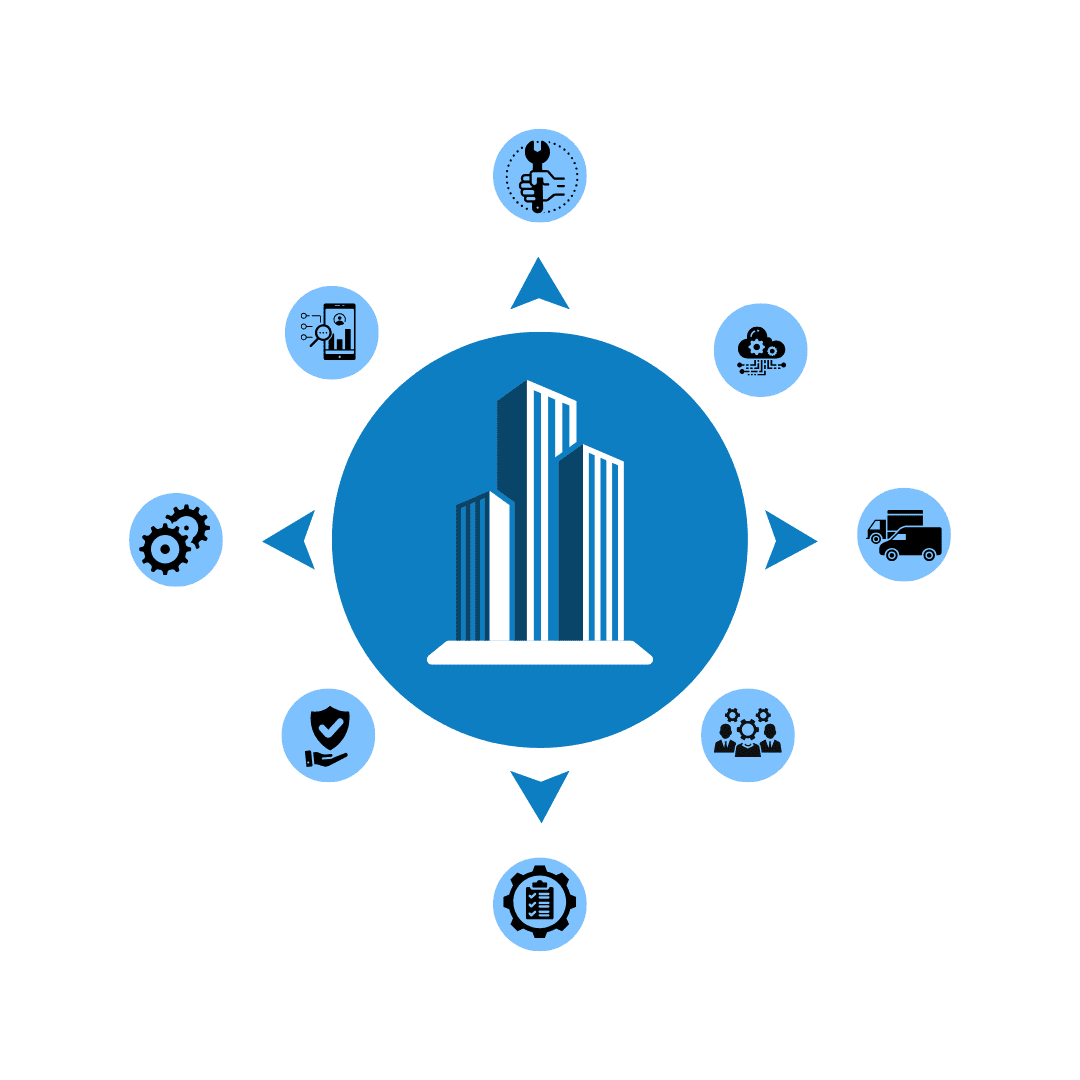
Businesses are moving away from juggling multiple vendors and toward consolidating services under a single provider. This trend is driven by a desire for operational consistency, cost efficiency, and simplified communication.
Integrated facility services are especially valuable for companies operating across multiple sites or regions, as they allow for centralized oversight with localized execution. Providers that can deliver a full suite of hard and soft services are becoming the go-to choice for companies focused on scalability and performance.

5. Outsourcing with Strategic Intent
Outsourcing isn’t just about reducing costs anymore—it’s about adding value. Facility leaders are rethinking outsourcing as a way to gain access to specialized expertise, reduce risk, and free up internal teams to focus on core business objectives.
Strategic outsourcing also allows organizations to stay ahead of compliance, adopt new technologies faster, and scale services up or down without a lengthy hiring process or administrative burden.
In short, facility management in 2025 is becoming more connected, more accountable, and more aligned with long-term business strategy. For companies willing to embrace these shifts, the payoff is not just smoother operations—but smarter ones.
Final Thoughts: Stronger Operations Start with Strategic Facility Management
Facility services aren’t just support functions—they’re essential to the daily health, safety, and productivity of your business. When managed strategically, they serve as the foundation for long-term operational excellence. But when they’re treated as a patchwork of reactive fixes, even the most advanced facility can become a source of disruption, inefficiency, and risk.
Today, businesses face growing pressure to reduce costs, meet compliance standards, create better occupant experiences, and align with sustainability goals—all while doing more with less. In that environment, it’s not enough to just keep the lights on. Facilities must be run proactively, with foresight, structure, and integration.
Strategic facility management closes the gap between daily maintenance and long-term performance. It transforms building operations from a set of isolated tasks into a coordinated system—one that supports your people, protects your assets, and advances your business objectives.
That’s where ClearedDirect comes in. With a full range of integrated facility management and maintenance services, we help businesses like yours simplify operations, reduce downtime, and stay ahead of compliance. Whether you’re managing a single site or scaling across locations, our team brings the expertise, technology, and reliability you need to operate with confidence.
If you’re ready to take a more strategic, streamlined approach to your facility operations—reach out to ClearedDirect. Let’s build a smarter foundation for your business, together.
Tags:

Kevin Milewski
Kevin Milewski is the Chief Operating Officer at ClearedDirect, where he oversees operational strategy, technology implementation, and service delivery for aviation and commercial drone (UAV) projects. With a strong background in aviation services and facility management, Kevin focuses on improving safety, efficiency, and regulatory compliance across complex airport and industrial environments. At ClearedDirect, Kevin leads initiatives integrating drone surveillance, LiDAR imaging, and AI-driven facility inspection systems that help clients achieve higher safety and performance standards. His leadership contributes to the company’s commitment to precision, reliability, and data-driven decision-making in critical infrastructure operations. Kevin regularly contributes insights to ClearedDirect’s knowledge hub, covering UAV surveillance, aviation operations, and facility optimization topics. His work reflects practical industry experience and a dedication to advancing innovation in aviation and technology management. Connect with Kevin on LinkedIn to learn more about his work.
RECENT POSTS


Recent Comments
CATEGORIES
- Aviation Facility Management
- Commercial Cleaning
- Construction
- Digital Mapping & Analytics
- Drone & LiDAR Inspections
- Drone And LiDAR Guides
- Facility Cleaning Resources
- Facility Management Guides
- Facility Management Risk
- Facility Management Technology
- Facility Operations
- Facility Security Management
- Identifying & Eliminating Inefficiencies
- Operations Management Guides
- Process Optimization
- Security Management Guides
- Staffing Augmentation Guides
- Surveillance UAV Drone Guides
- UAV Drone Mapping
- Uncategorized
TAGS
2025 facility trends aerial surveillance aircraft cleaning airline operations airport compliance management airport operational risk management airport personnel airport terminal operations Aviation Operations Aviation Risk Management aviation security risk assessment aviation services AviationStaffing aviation staffing Commercial Cleaning Services Commercial Drone Surveillance Commercial Facility Security Drone Surveying Emergency Response Planning Facility Hygiene Compliance facility maintenance facility management Facility Risk Assessment Facility risk management facility services Green Cleaning for Facilities ground handling services integrated facility management services Operational Efficiency Strategies operations management outsource facility management outsourcing airline services outsourcing airport services passenger experience enhancement Physical Security Best Practices proactive maintenance Scaling janitorial operations seasonal peaks staff augmentation Staffing Augmentation Staffing Challenges Aviation terminal facility security TSA FAA risk mitigation uav infrastructure inspection uav lidar technology
Leave a Comment