
Call Anytime
512-508-8373- ClearedDirect > Blog > Operations Management Guides > Running a Commercial Airport Terminal: Why Only a Few Can — and Even Fewer Do
Blog Details

Running a Commercial Airport Terminal: Why Only a Few Can — and Even Fewer Do
When you step into an airport, it’s easy to assume the airlines are running the entire show. After all, they’re the ones flying the planes and printing your boarding pass. But beyond the gate? That’s where things get a little more complex.
Airlines are responsible for getting passengers and baggage onto flights, departing on time, and meeting safety and security requirements. But everything that happens inside the terminal—the clean restrooms, the working escalators, the food options, the shuttle buses, and even the terminal signage—is typically not managed by the airline. That’s the role of airport terminal operations.
In the U.S., the vast majority of commercial airport terminals are operated by local governments or public airport authorities. But there’s a small, highly specialized group of private companies that also manage terminals—handling everything behind the scenes to make sure the passenger experience feels seamless. These operators are rare for a reason: running a terminal is a massive responsibility that demands a unique mix of expertise, regulation compliance, and operational discipline.
In this article, we’ll take you inside the world of commercial terminal operations—what it really involves, why it’s more complex than most people realize, and why only a select few can do it well.
Why Terminal Operations Are Way More Complex Than People Realize
To most travelers, an airport terminal is just a stepping stone—a place to pass through before takeoff. But underneath that polished, everyday experience is an entire ecosystem that few people ever notice. And managing it? That’s a whole operation of its own.
Unlike airline operations, which are focused on the aircraft—boarding passengers, loading luggage, departing on time—airport terminal operations deal with everything that happens before passengers even reach the gate. Think of it as managing a small city that never sleeps, where efficiency, safety, and comfort need to coexist every single day.
So, what exactly does that involve?
A few core responsibilities of terminal operations include:
Passenger Navigation & Experience
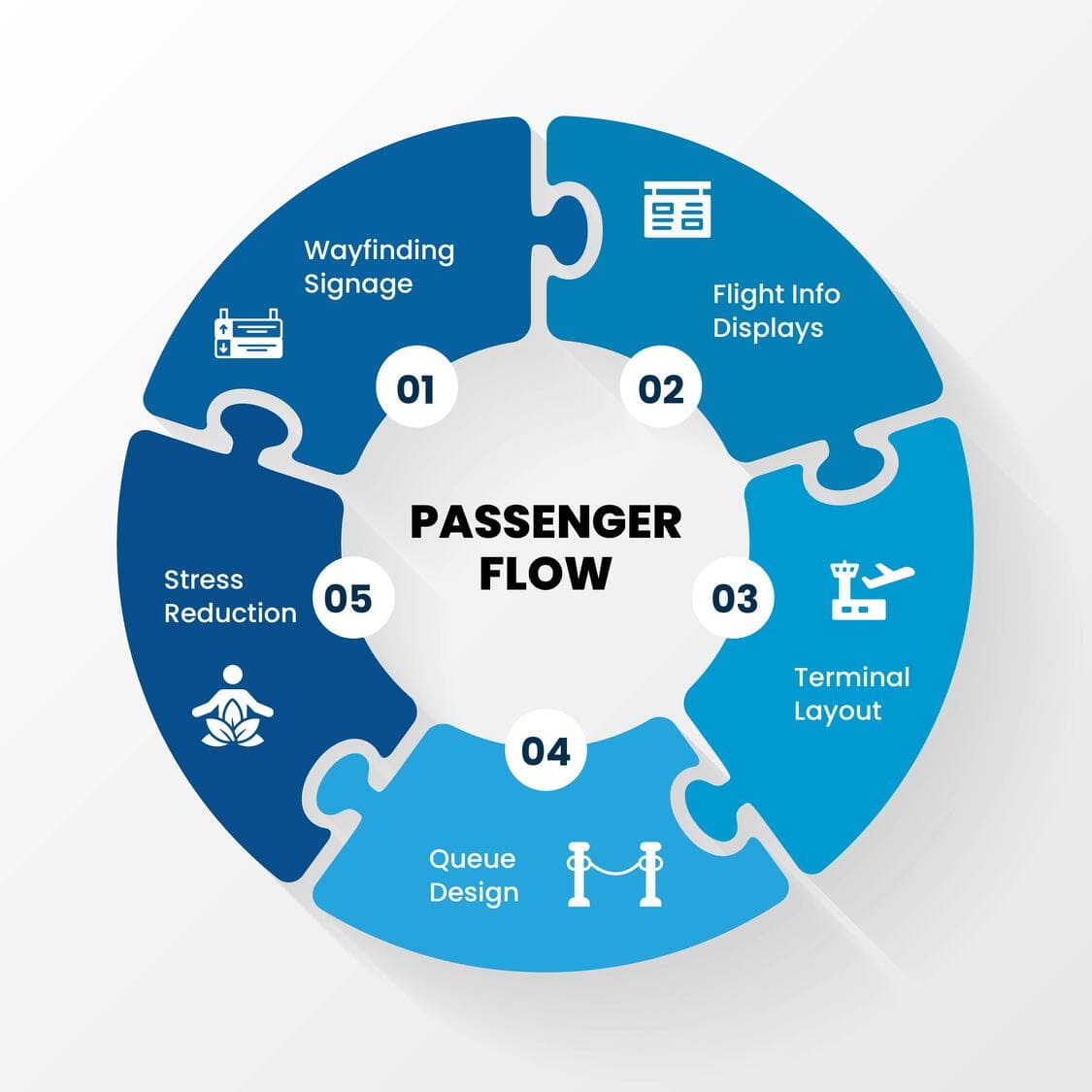
Smooth passenger navigation is a cornerstone of terminal success. From the moment a traveler enters the building, every element—signage, layout, and digital displays—must guide them effortlessly toward their gate. The goal? Less confusion, less stress, and more time to relax before boarding. Well-executed navigation enhances satisfaction and helps keep the flow of people moving efficiently through security and boarding checkpoints.
Facility and Infrastructure Management
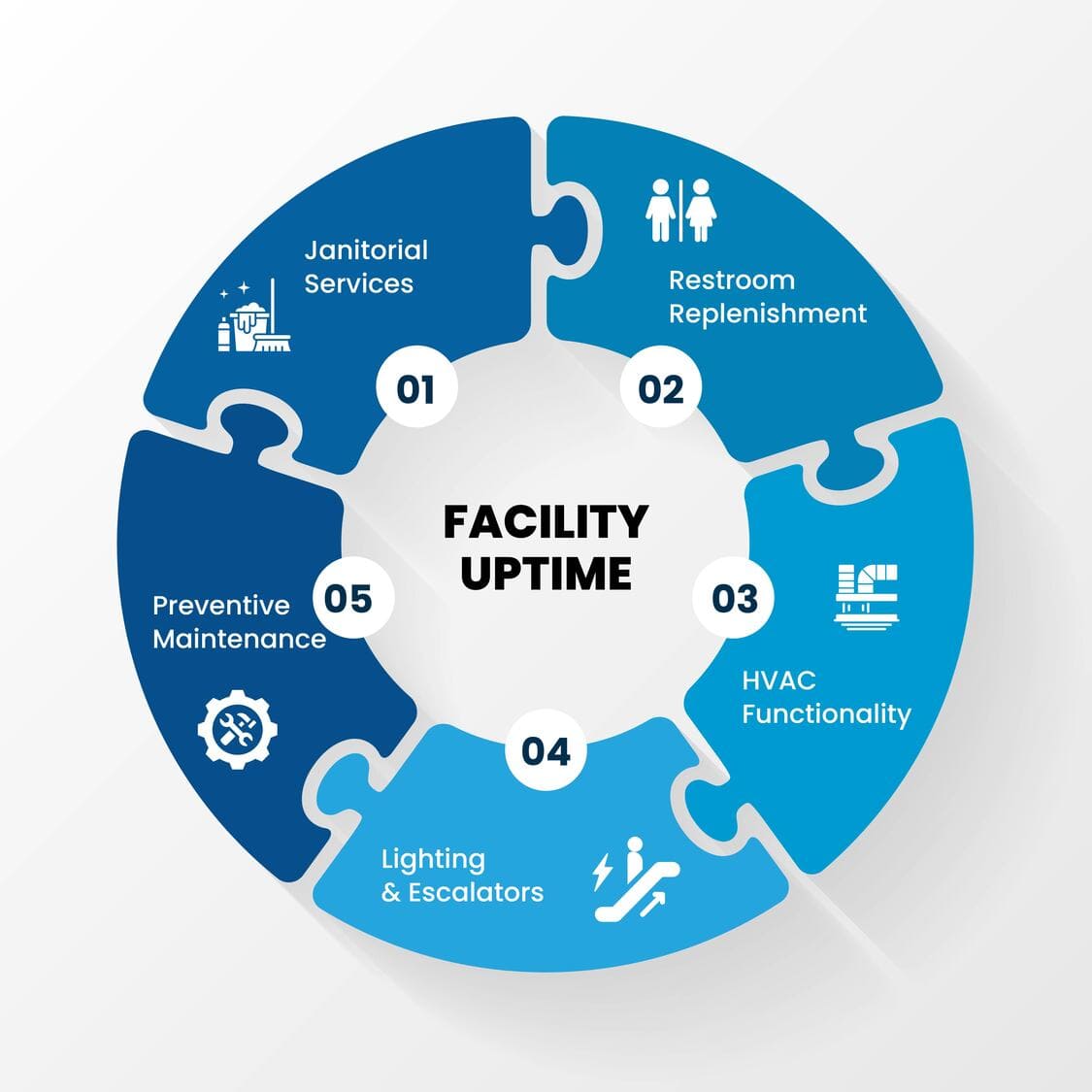
An airport terminal never sleeps—and neither can its infrastructure. Behind every clean restroom and well-lit walkway is a team ensuring systems like HVAC, escalators, and lighting stay fully operational. Regular maintenance and quick-response crews ensure problems are solved before they affect the passenger journey. It’s this attention to detail that keeps the airport running smoothly 24/7.
Security Coordination
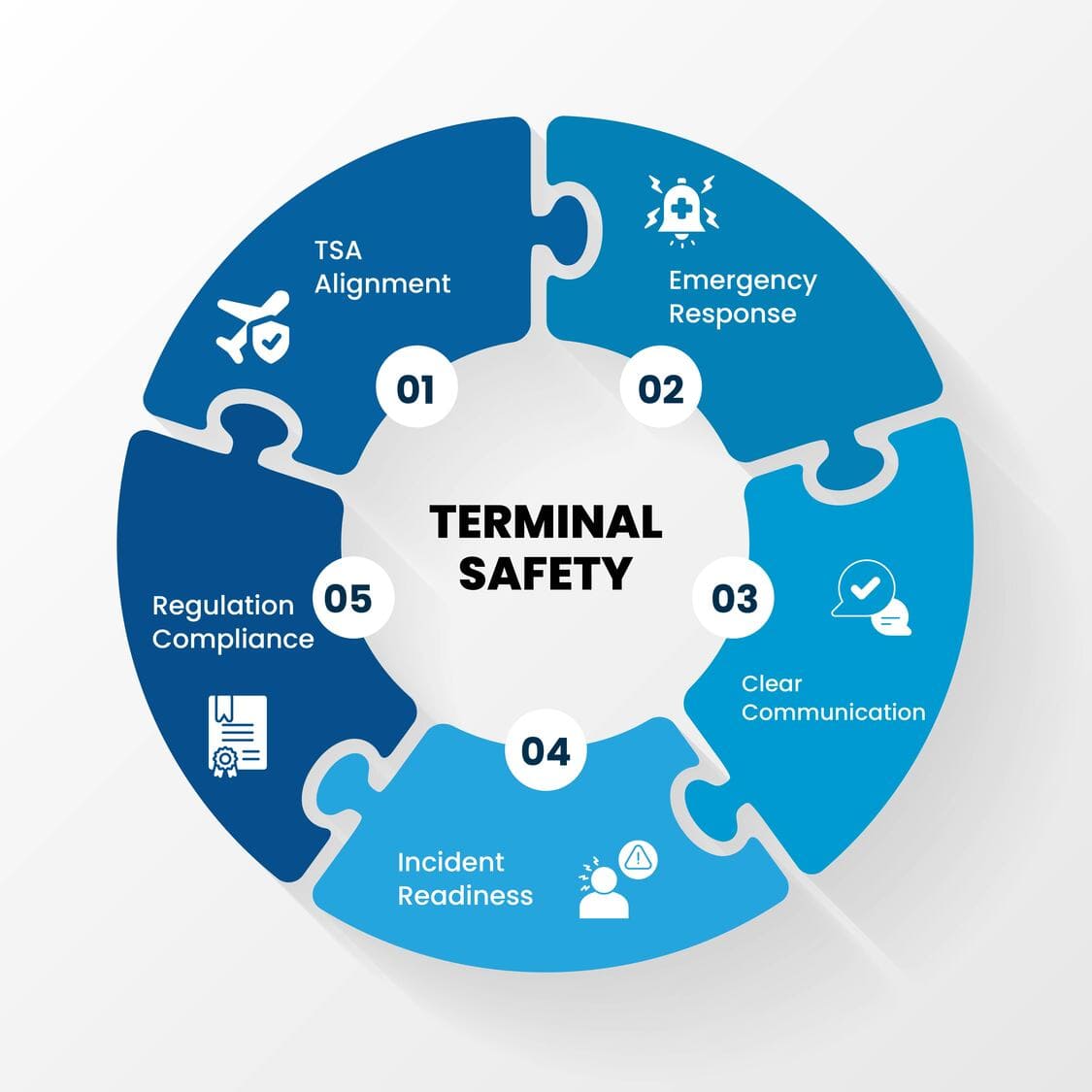
Security within airport terminals is a shared responsibility—but terminal operators are at the center of it. They coordinate with TSA, airport police, and emergency teams to ensure every protocol is followed, from baggage screening to crowd control. With regular drills and instant-response systems, passengers feel safe while operations continue without disruption.
Vendor and Tenant Oversight
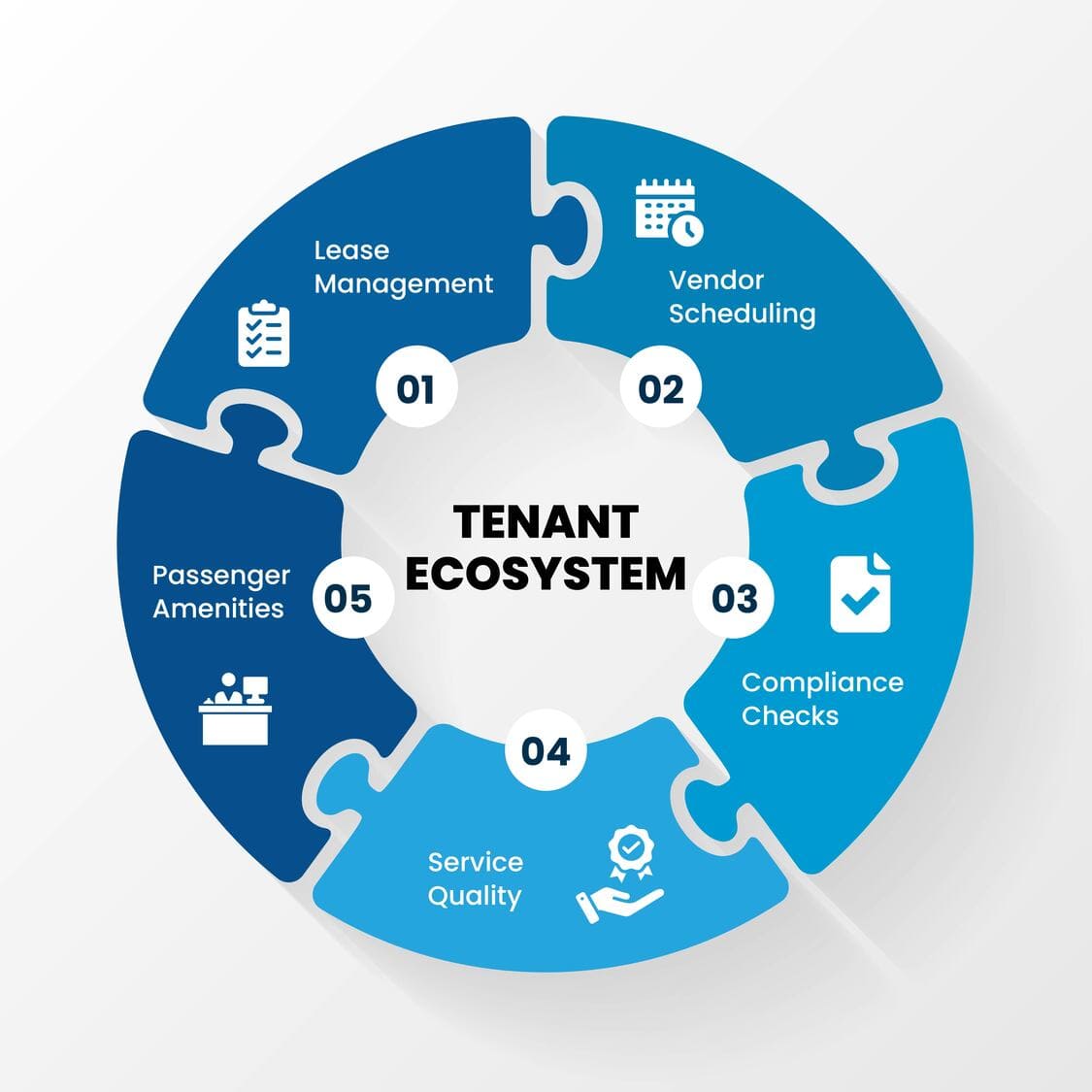
An airport terminal is more than just a gateway—it’s also a thriving commercial space. Terminal managers oversee a complex web of tenants, from coffee shops to lounges, ensuring each meets brand, safety, and service standards. This oversight helps turn downtime into a positive passenger experience—and ensures every business contributes to the airport’s reputation.
Curb-to-Gate Logistics
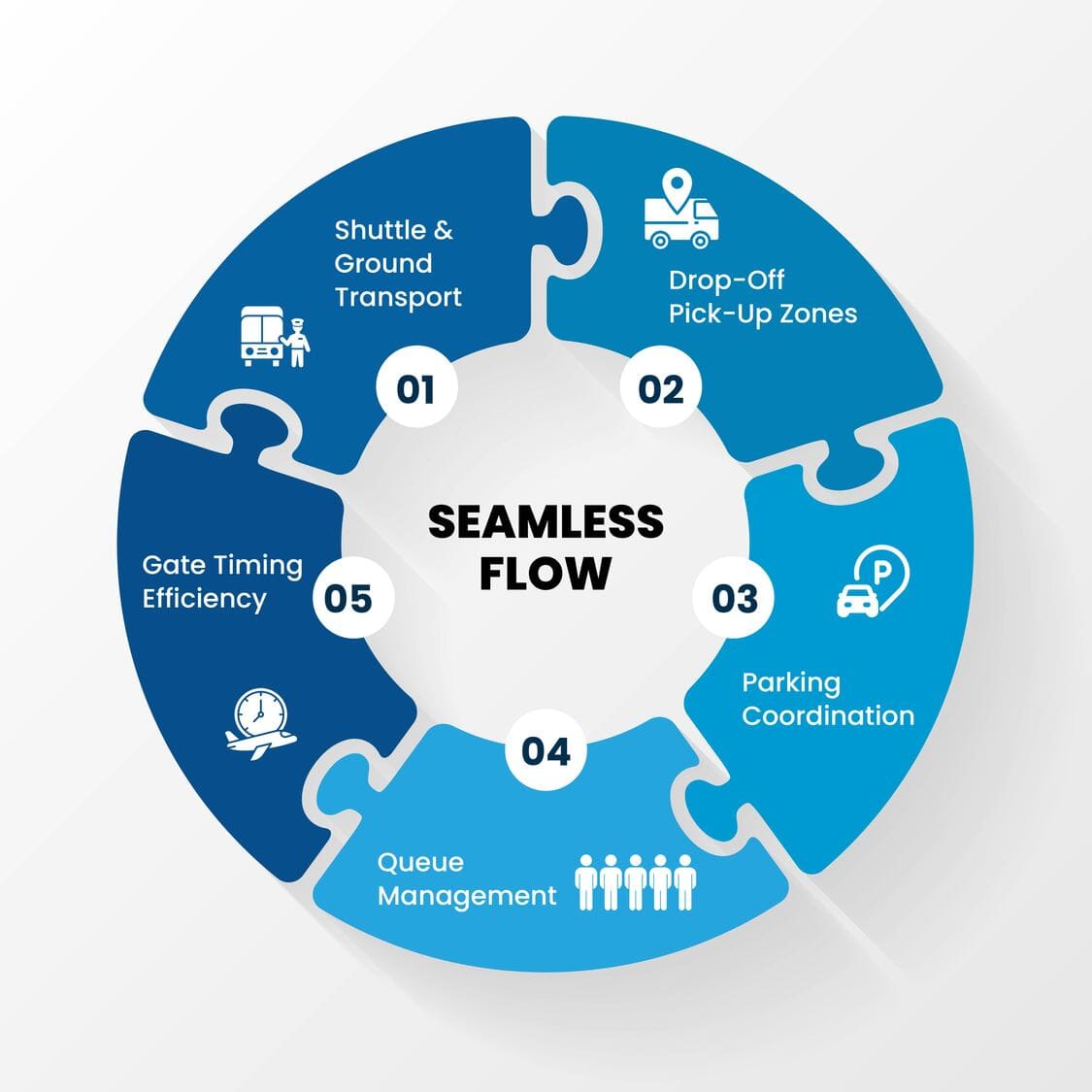
The traveler experience doesn’t start at the gate—it starts at the curb. From parking and shuttles to smooth transitions through check-in and security, airport terminal teams are responsible for eliminating friction every step of the way. When curb-to-gate logistics are well-managed, passengers feel the difference—and airlines benefit from faster, more reliable boarding times.
And that’s just the day-to-day.
Add in flight delays, surges in passenger volume, weather disruptions, infrastructure upgrades, and staffing gaps—and the complexity quickly multiplies.
Terminal operators are expected to keep things moving even when everything is changing. That includes real-time communication with airline partners, tenants, janitorial crews, and security—all while ensuring that passengers have a smooth, stress-free experience. Every touchpoint matters, from restroom cleanliness to Wi-Fi access to how quickly lost items are returned.
It’s not just logistics—it’s a carefully choreographed system that has to work around the clock.
This is why terminal operations require specialized expertise. It’s not something that can be outsourced to just any facility team. It calls for professionals who understand aviation infrastructure, regulatory environments, passenger behavior, and large-scale service coordination.
Want to dive deeper into how terminal operations shape passenger experience? Check out this comprehensive industry overview by International Airport Review — it’s packed with insights from global airport leaders.
So Why Can’t Just Anyone Do It?
Managing a commercial airport terminal might look similar on the surface to other large-scale operations—like running a transit hub, convention center, or stadium. But in reality, it’s much more complex. A terminal isn’t just a building. It’s a high-pressure, always-on environment with multiple stakeholders, strict regulations, and millions of moving parts—both literal and operational.
So when airport authorities decide who should run their terminal, they don’t just look for a facility manager. They look for an aviation operations partner—someone who understands that precision and passenger experience go hand in hand.
Let’s break down what makes airport terminal operations such a specialized discipline—and why so few are trusted to lead it.
Regulatory Compliance Is a Full-Time Job
In airport terminals, compliance isn’t something you check off once—it’s ongoing, embedded into every task. Between the FAA, TSA, ADA, EPA, OSHA, and local airport authorities, every aspect of terminal operations is scrutinized.
One missed inspection, one outdated procedure, or one improperly documented incident can result in fines—or worse, operational disruption. Terminal operators must be proactive, not reactive, with structured processes that ensure compliance is a constant, not a campaign.
It's a 24/7, Always-On Environment
There’s no closing time at a commercial terminal. Whether it’s the first flight of the morning or the last red-eye out, operations continue without pause.
A few realities of round-the-clock service:
- Maintenance teams must be on-call to fix HVAC systems, lighting, and escalators on the fly
- Janitorial crews rotate throughout the day and night to maintain cleanliness during peak foot traffic
- Emergency response must be ready at a moment’s notice—across security, health, and technical incidents
- Terminal managers need shift-based staffing models and SOPs that hold up regardless of time, volume, or weather
Real-Time Coordination Is Mission-Critical
Operations management inside a terminal is a full-contact sport. Multiple entities need to work in lockstep: airlines, security, airport police, janitors, tech teams, shuttle drivers, vendors, and ground crew. If one link falters, the whole chain feels it.
Terminal operators must facilitate that coordination through centralized systems, cross-functional teams, and defined communication protocols. And it’s not just logistics—it’s about service continuity.
Infrastructure Today Goes Beyond Bricks and Mortar
Managing physical infrastructure—like escalators, restrooms, HVAC, and lighting—is essential. But equally important is the digital infrastructure:
- Flight information display systems (FIDS)
- Wi-Fi and communications networks
- Gate availability systems
- Passenger tracking and crowd flow monitoring
Modern terminals run on data, and any downtime in these systems can result in confusion, delays, and decreased passenger satisfaction. Terminal operators must be fluent in both physical and digital operations to keep everything synchronized.
The Passenger Experience Is Always On the Line
Passengers may not notice when everything runs well—but they immediately feel when something is off. A clean restroom, a working charging port, and clear signage often determine whether travelers leave the terminal stressed or satisfied.
Terminal operators must balance operational performance with human-centered design, ensuring the layout, signage, sound levels, and even lighting support the passenger journey—not frustrate it. Managing all this in-house can be overwhelming. That’s why most companies now use staffing augmentation—it lets them quickly fill resource gaps without the hassle of long-term hires.
It’s a Business, Not Just a Facility
Airports are also retail and service environments. A terminal houses dozens—sometimes hundreds—of vendors, each requiring oversight. That includes:
- Lease management and renewals
- Vendor performance tracking
- Health and safety compliance
- Daily operations support for food courts, coffee shops, retail stores, and kiosks
Failure in vendor management reflects on the airport’s brand and revenue—and passengers don’t separate poor retail service from poor terminal service.
Every Small Issue Can Cause Big Disruption
In this kind of high-density, high-flow space, a single issue can snowball. A jammed escalator leads to a crowded hallway. A missed cleaning schedule causes negative online reviews. A broken gate monitor leads to confused passengers and flight delays.
That’s why operations must be predictive, not reactive—built on processes, planning, and proactive communication.
What About Private or Non-Commercial Terminals?
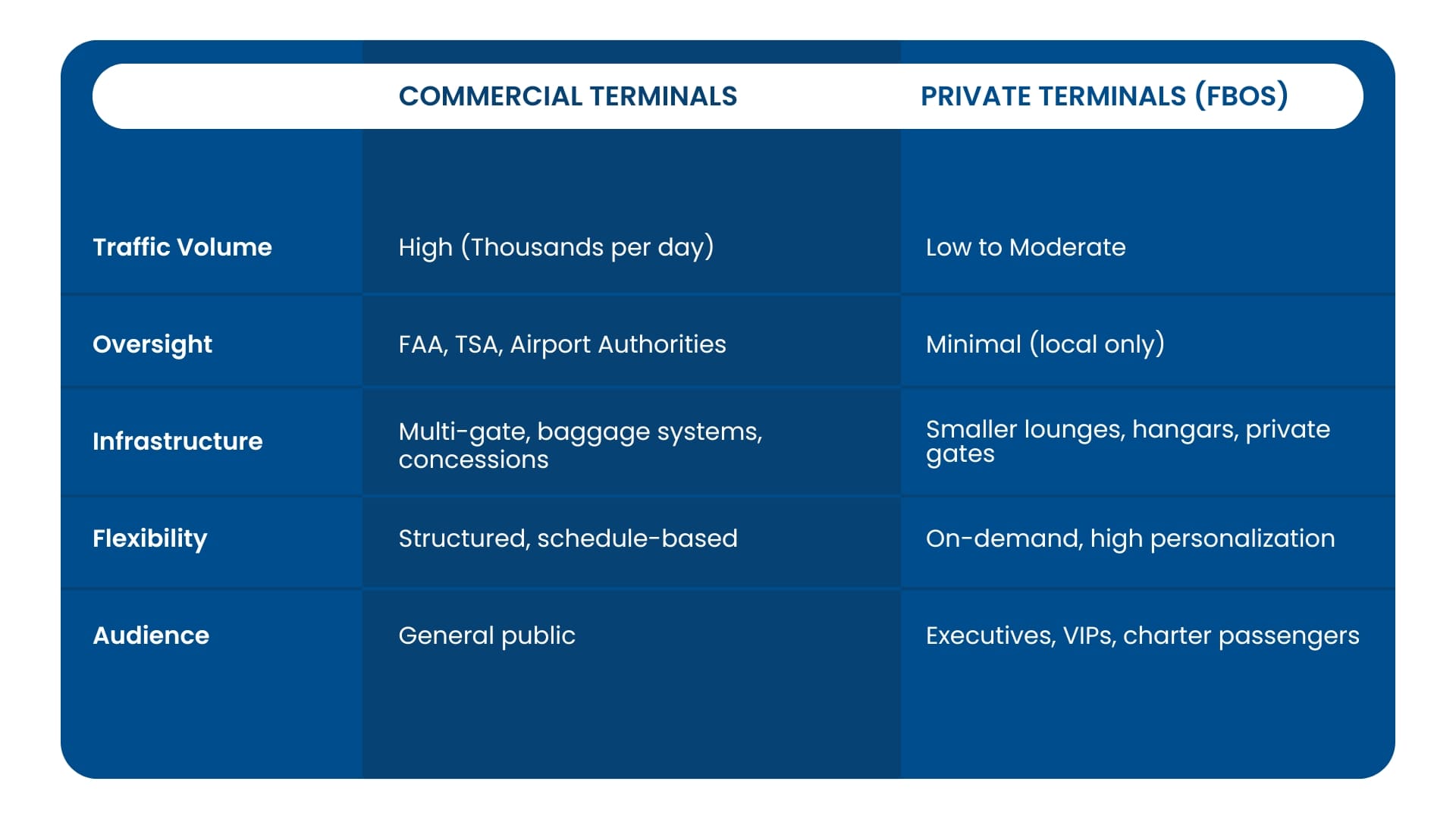
While commercial terminals draw the most attention—and come with the heaviest layers of regulation—they aren’t the only kind of airport terminal out there. Across the U.S., there’s an entirely separate category of facilities known as private or non-commercial terminals, most commonly referred to as FBOs (Fixed Base Operators). These terminals cater to private aircraft, corporate flights, charter services, and in some cases, government or military aviation.
And here’s the thing: if a company can operate a commercial terminal, running a private one is well within their wheelhouse.
What Makes Private Terminals Different?
Private terminals are typically smaller in scale and serve a very different audience—executives, pilots, private owners, and VIPs. They’re often located at regional airports or in designated sections of larger airports. These terminals may not see the same volume of traffic as commercial ones, but they still require tight coordination, clean facilities, secure access, and exceptional service delivery.
Unlike commercial terminals, private terminals:
- Aren’t subject to the same level of FAA or TSA oversight
- Don’t require the same extensive infrastructure (like multiple gates or security checkpoints)
- Operate more flexibly, often tailored to elite or specialized clientele
- Place higher emphasis on personalization and hospitality
In many ways, they offer more operational freedom—but the expectations for service, discretion, and comfort are often higher.
So Why Do Commercial Operators Succeed Here?
Because running a commercial terminal is like operating a city—with traffic, regulations, and endless moving parts. That means when those same teams step into a private terminal, they already know how to:
- Manage multi-vendor relationships (e.g., fueling, concierge, catering)
- Deliver a consistent, polished experience for passengers and crews
- Keep infrastructure and safety standards high without needing constant oversight
- Operate 24/7 with rotating teams and built-in continuity planning
- Adapt quickly to client needs, even with limited lead time
Simply put: if a team can handle the scale and scrutiny of a commercial terminal, they can certainly exceed expectations in a private one.
Commercial vs. Private Terminal Operations
Why Airports Are Turning to Private Operators
Airports today are facing unprecedented pressure. Aging infrastructure, rising passenger volumes, stricter security requirements, and higher expectations for traveler comfort are making it harder for publicly managed terminals to keep up.
As a result, more U.S. airports are beginning to look toward private terminal operators—not just as a backup plan, but as a strategic move.
Why the Shift? It Comes Down to Three Key Areas:
1. Performance
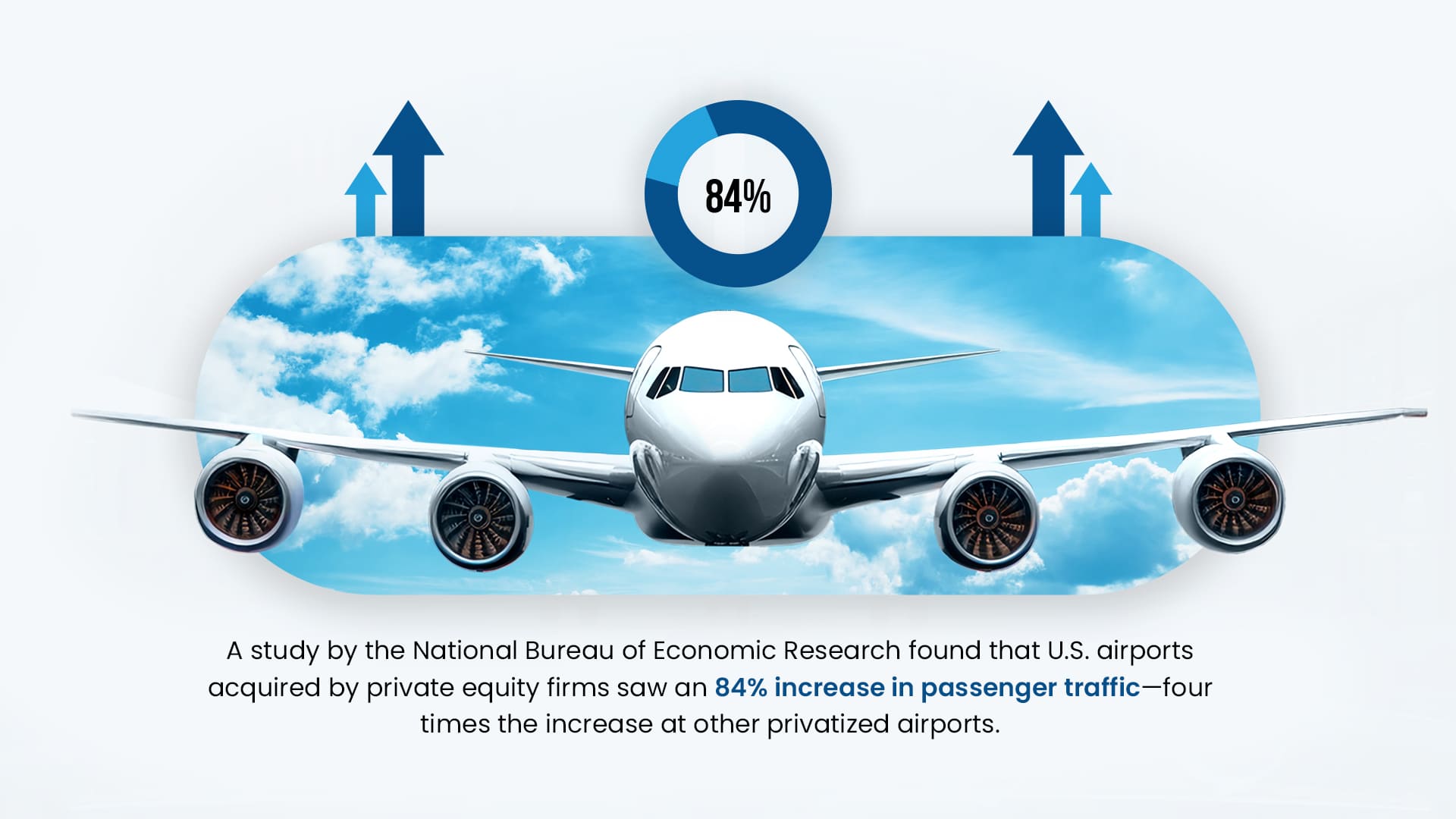
Private operators bring specialized expertise and systems built for 24/7 performance. Unlike government-run facilities bound by red tape or outdated infrastructure, private companies often implement agile SOPs, modern tech stacks, and vendor accountability that speed up issue resolution.
2. Financial Efficiency
Private partnerships reduce financial strain on public budgets. Through Public-Private Partnerships (P3s), airports can access capital and expertise while limiting long-term risk and investment exposure.
For instance, the Denver International Airport’s P3 project for the Great Hall terminal renovation helped accelerate modernization with private capital and shared risk models—allowing the airport to maintain operations during construction.
3. Traveler Expectations
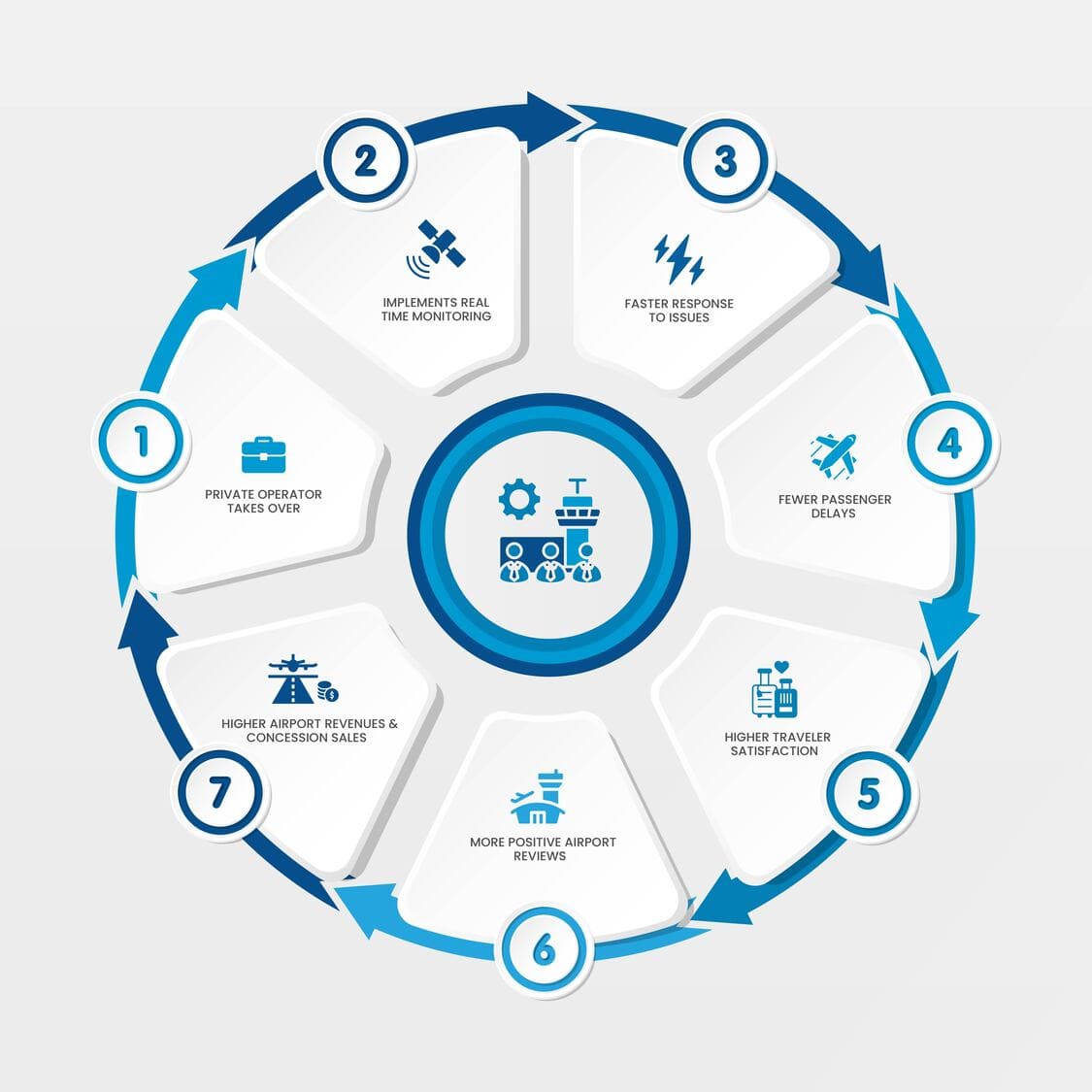
Today’s passengers aren’t just looking for on-time flights. They want clean terminals, easy navigation, updated amenities, and less stress. Private operators tend to outperform on customer service metrics because their contracts are often tied directly to satisfaction scores, wait times, and uptime performance.
Bringing It All Together with ClearedDirect
If you’ve ever tried to run an airport terminal—or even just a part of one—you already know it’s not just about keeping the lights on. It’s about managing a living, breathing environment that never really pauses. Between regulatory pressures, facility upkeep, passenger flow, and the constant coordination of vendors, teams, and timelines—it’s a full-scale operation that requires more than just good intentions. It requires precision.
And that’s exactly where we come in.
At ClearedDirect, we understand how complex terminal operations can be—because we’ve done it, and we continue to do it every day. We’re not just another vendor offering support. We’re a partner that helps you see around corners, handle the pressure behind the scenes, and create a smoother, more dependable experience for everyone passing through your space—passengers, staff, tenants, and crews.
We specialize in making sure terminals don’t just run—they run well. Whether you’re responsible for a large commercial terminal with constant passenger flow or a private facility where every detail matters, we help you bring structure, clarity, and efficiency to your operations.
If you’re thinking about what’s next for your terminal—or wondering if there’s a better way to manage the day-to-day—we’d love to help you explore it.
Start with ClearedDirect’s Aviation Services. It’s a good place to see what we do, how we work, and what kind of results we’ve helped others achieve.
Tags:

Kevin Milewski
Kevin Milewski is the Chief Operating Officer at ClearedDirect, where he oversees operational strategy, technology implementation, and service delivery for aviation and commercial drone (UAV) projects. With a strong background in aviation services and facility management, Kevin focuses on improving safety, efficiency, and regulatory compliance across complex airport and industrial environments. At ClearedDirect, Kevin leads initiatives integrating drone surveillance, LiDAR imaging, and AI-driven facility inspection systems that help clients achieve higher safety and performance standards. His leadership contributes to the company’s commitment to precision, reliability, and data-driven decision-making in critical infrastructure operations. Kevin regularly contributes insights to ClearedDirect’s knowledge hub, covering UAV surveillance, aviation operations, and facility optimization topics. His work reflects practical industry experience and a dedication to advancing innovation in aviation and technology management. Connect with Kevin on LinkedIn to learn more about his work.
One Comment
Leave a Comment Cancel Reply
RECENT POSTS


Recent Comments
CATEGORIES
- Aviation Facility Management
- Commercial Cleaning
- Construction
- Digital Mapping & Analytics
- Drone & LiDAR Inspections
- Drone And LiDAR Guides
- Facility Cleaning Resources
- Facility Management Guides
- Facility Management Risk
- Facility Management Technology
- Facility Operations
- Facility Security Management
- Identifying & Eliminating Inefficiencies
- Operations Management Guides
- Process Optimization
- Security Management Guides
- Staffing Augmentation Guides
- Surveillance UAV Drone Guides
- UAV Drone Mapping
- Uncategorized
TAGS
2025 facility trends aerial surveillance aircraft cleaning airline operations airport compliance management airport operational risk management airport personnel airport terminal operations Aviation Operations Aviation Risk Management aviation security risk assessment aviation services AviationStaffing aviation staffing Commercial Cleaning Services Commercial Drone Surveillance Commercial Facility Security Drone Surveying Emergency Response Planning Facility Hygiene Compliance facility maintenance facility management Facility Risk Assessment Facility risk management facility services Green Cleaning for Facilities ground handling services integrated facility management services Operational Efficiency Strategies operations management outsource facility management outsourcing airline services outsourcing airport services passenger experience enhancement Physical Security Best Practices proactive maintenance Scaling janitorial operations seasonal peaks staff augmentation Staffing Augmentation Staffing Challenges Aviation terminal facility security TSA FAA risk mitigation uav infrastructure inspection uav lidar technology
Ilmu Komunikasi
Why are private companies that manage airport terminals in the U.S. so rare, and what unique challenges make this responsibility demanding?
Regard Ilmu Komunikasi